
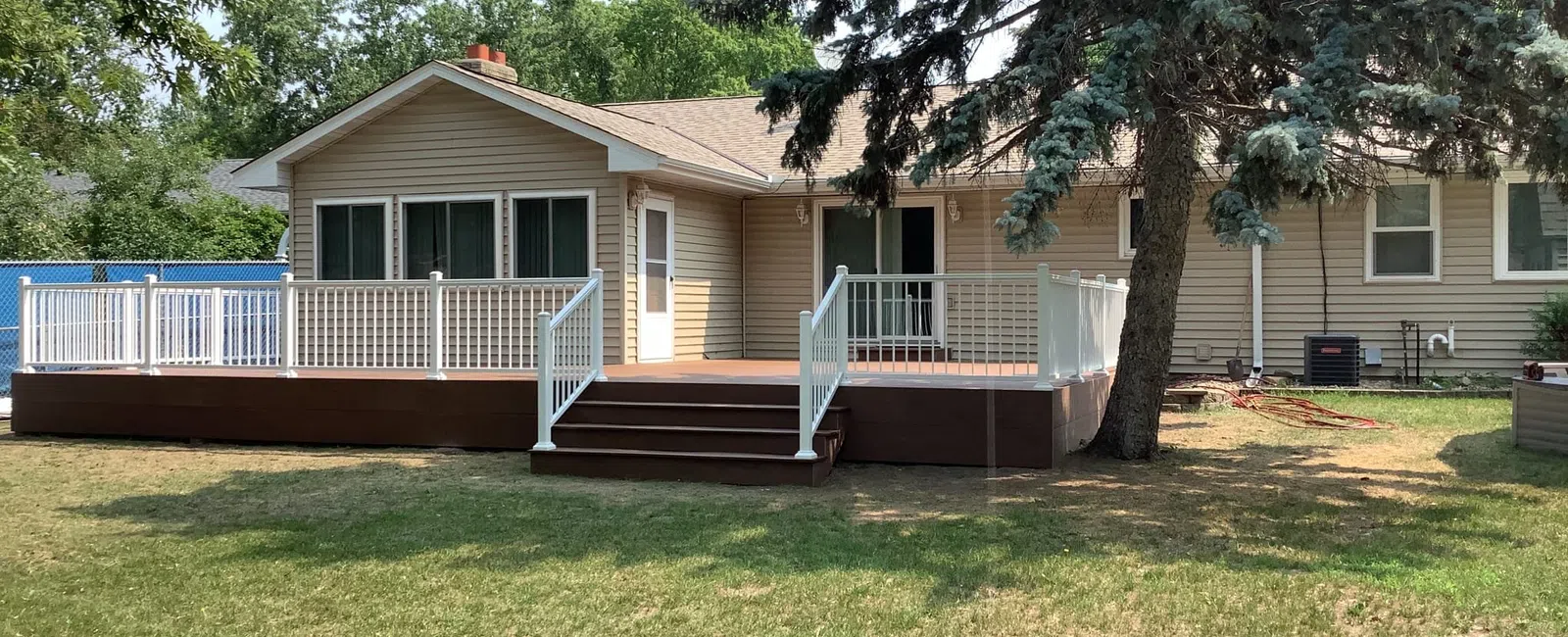
Yes, in most metro Atlanta jurisdictions, you need a building permit to build a deck. A permit is almost always required if the deck is attached to your house, sits more than 30 inches above the ground, includes stairs or a roof, or is larger than a small landing.
Some cities and counties may allow small, low, freestanding "floating" decks without a permit, but the rules vary by location.
JMJ Construction Group designs and builds decks and porches throughout Marietta and the North Metro Atlanta area, and we regularly handle deck permits for homeowners. Below is a plain-English guide to when a permit is needed, how the process works, and why building without one can create problems later.
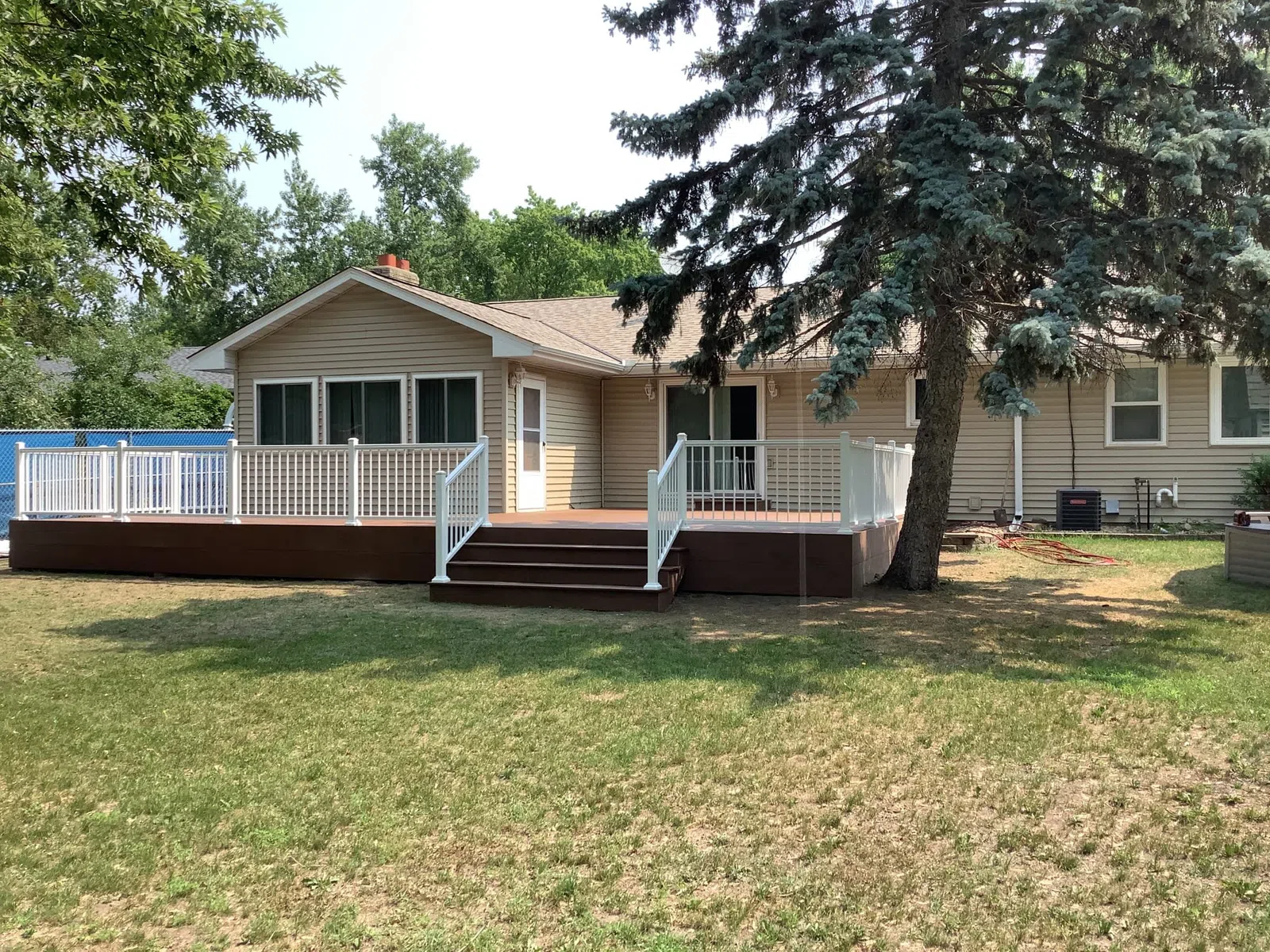
When Is a Deck Permit Required in Georgia?
Most metro Atlanta building departments consider a few key factors when deciding whether a deck requires a permit.
- Is the deck attached to the house? An attached deck connects directly to your home's structure and almost always requires a permit. Inspectors pay close attention to the ledger connection, which is the structural point where the deck attaches to the house.
- How high is the deck? Decks more than 30 inches above grade usually require a permit and guardrails. That 30-inch threshold is commonly used because the risk of injury from a fall increases.
- How large is the deck? Larger decks, covered decks, decks with stairs, and decks with permanent foundations usually require permits. Small, low, freestanding platforms are the only projects that may qualify for an exemption in some areas.
- Does the project include electrical, plumbing, or gas? If your deck includes lighting, receptacles, a hot tub, an outdoor kitchen, or gas lines, additional trade permits may be required.
Because the rules change by county and city, the safest assumption is that your deck needs a permit unless your local building department confirms otherwise.
Deck Permitting Varies by County in Metro Atlanta
One of the biggest misconceptions homeowners have is that deck permits work the same everywhere in Georgia. They do not. Each jurisdiction has its own building department, submittal requirements, review timelines, and inspection schedules.
- Cobb County and Marietta have their own permitting processes, and incorporated cities may have requirements that differ from unincorporated areas.
- Cherokee County, Woodstock, and Canton each have local expectations for permitting, inspections, and plan review.
- Fulton County and its cities, including Roswell, Sandy Springs, Alpharetta, and Johns Creek, manage permitting locally, so requirements can vary from one city to the next.
- Forsyth County and Cumming also have their own submittal and inspection requirements.
Your HOA may also require approval for materials, railing style, color, size, or placement. HOA approval is separate from a building permit, and in many cases, both are needed before work can begin.
What Happens If You Build a Deck Without a Permit?
Skipping the permit may feel like a shortcut, but it can create bigger problems later. The most common risks include:
- Problems when selling your home. Unpermitted work is often flagged during a home inspection, appraisal, or buyer review. Buyers may ask for the deck to be permitted retroactively, corrected, credited, or removed before closing.
- Insurance issues. If an unpermitted deck fails and someone is injured, your insurance company may question whether the work was completed properly or deny coverage depending on the situation and policy.
- Retroactive permitting or teardown. If the city or county discovers unpermitted work, they may require you to expose parts of the structure for inspection, bring the deck up to code, or remove and rebuild it.
- Safety concerns. Deck permits exist to verify the structural details that matter most, especially footings, framing, guardrails, stairs, and the ledger connection. A permitted and inspected deck gives you a record that the structure was reviewed for code compliance.
What Does the Deck Permit Process Involve?
For a typical residential deck, the permit and inspection process usually includes:
- Plans and application. The building department may require a site plan and construction drawings showing the deck size, location, footings, framing, spans, guardrails, stairs, and ledger details.
- Plan review and permit approval. The county or city reviews the application and issues the permit. Timelines vary depending on the jurisdiction and the department's workload.
- Inspections during construction. Most deck projects require a footing inspection before concrete is poured and a framing or final inspection before the deck is approved. Attached decks typically receive close attention at the ledger connection.
- Final approval. Once the deck passes final inspection, the project is on record as permitted and inspected.
The process is not complicated when it is handled in the right order. The main mistake is starting work too early, especially pouring footings before the required inspection.
We Handle Deck Permits for You
Permitting is one of those parts of a project where local experience matters. As a licensed Georgia general contractor with more than 50 years of combined experience, JMJ Construction Group handles the permit process, schedules inspections, and builds to code from the ground up.
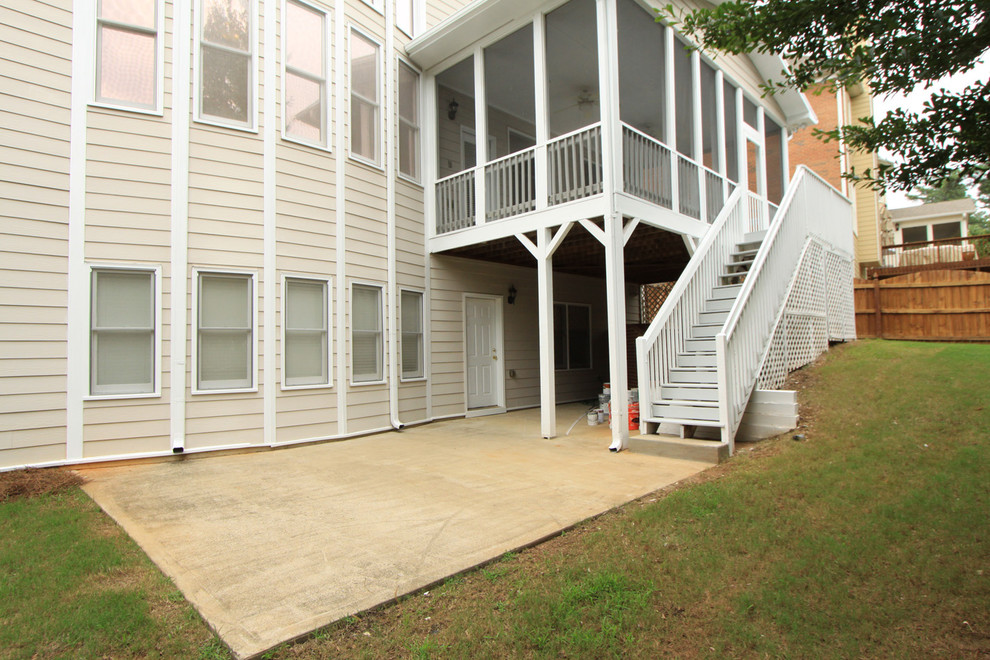
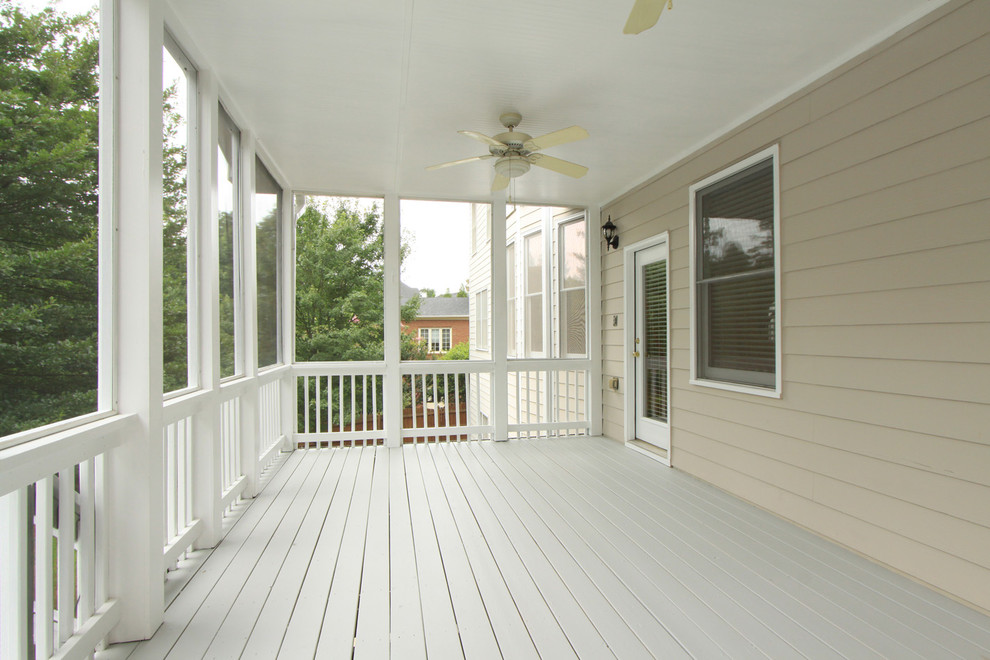
Our team designs and builds decks and porches throughout Marietta, Roswell, Woodstock, Alpharetta, Cumming, and the surrounding North Metro Atlanta area. If you are planning a new deck, porch, or outdoor living project, we can tell you what your jurisdiction requires and manage the process from start to finish.
Frequently Asked Questions
Do I need a permit for a ground-level or floating deck in Georgia?
Sometimes. Some jurisdictions exempt small, low, freestanding decks below a certain size and height. However, the threshold varies by city and county, so confirm with your local building department before assuming your deck is exempt.
Does an attached deck always need a permit?
In most cases, yes. Because an attached deck connects to your home's structure, metro Atlanta jurisdictions typically require a permit and inspection for that connection.
Can I pull a deck permit myself as a homeowner?
Many jurisdictions allow homeowners to pull an owner-builder permit for their primary residence. The tradeoff is that you are responsible for the plans, code compliance, inspections, and any corrections required by the building department.
How long does it take to get a deck permit in metro Atlanta?
It depends on the county or city. A straightforward residential deck permit may move quickly, but the review timeline is controlled by the local jurisdiction, not the contractor.
What happens if my existing deck was never permitted?
You may be able to apply for a retroactive permit, but that often means exposing parts of the structure so inspectors can verify the footings, framing, ledger connection, stairs, and guardrails. It is usually better to address this before listing the home for sale.
Planning a New Deck or Porch?
JMJ Construction Group designs and builds decks and porches throughout Marietta and the North Metro Atlanta area. We handle permitting, inspections, and construction so your project is built correctly from the start. Request a free estimate, and we will walk you through the permitting requirements for your county or city.