
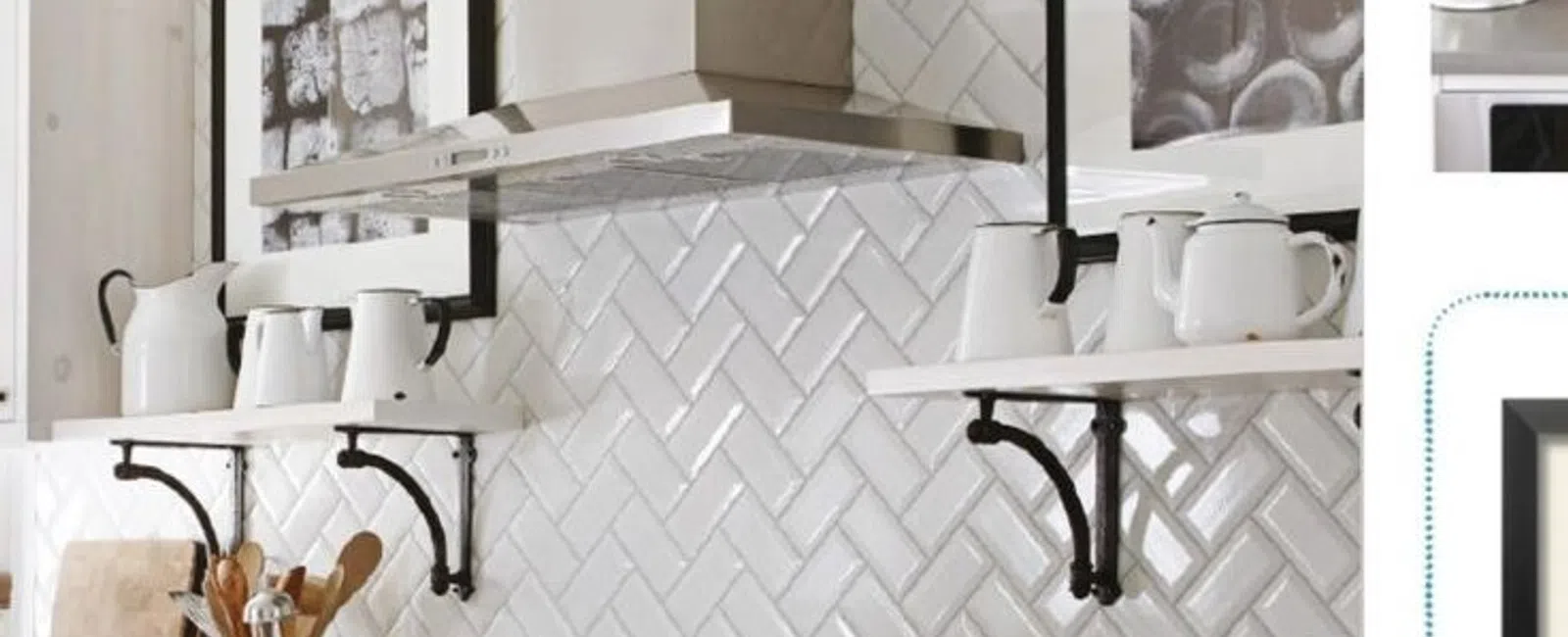
Most full kitchen remodels take 6 to 10 weeks from the first day of demolition to the final walkthrough. A cosmetic refresh with new countertops, cabinet fronts, fixtures, and paint can be wrapped in 2 to 3 weeks. A full gut renovation that moves walls, relocates plumbing, or reworks electrical systems typically takes 10 to 14 weeks due to the added rough-in work and inspections.
These timelines are general averages and can vary based on the size of the kitchen, material availability, design changes, permits, inspections, and other project-specific factors.
That range assumes the planning is already done and your materials are ordered. The single biggest reason a kitchen remodel "takes forever" is not always the construction itself. It is often decisions, selections, and lead times that were not handled before the demo started. Here is how the timeline typically breaks down, and where the weeks can quietly disappear.
A Typical Kitchen Remodel Timeline, Week by Week
Every kitchen is different, but a standard mid-size remodel with new cabinets, counters, flooring, and appliances in the same general footprint usually moves through these phases:
- Week 1: Demolition and prep - Old cabinets, counters, flooring, and appliances are removed. Adjacent rooms are protected, dust control is set up, and the walls and floors are opened up so we can see what we are actually working with. Older homes around Marietta and Roswell can hide surprises like outdated wiring, plumbing not up to code, or subfloor damage, which is why it is smart to build in some margin to the schedule.
- Weeks 2-3: Rough-in work - Any new plumbing, electrical, or HVAC work happens during this phase, followed by the first round of inspections. If the layout is staying the same, this phase usually moves quickly. If you are moving a sink, adding an island with power, or changing gas lines, this is where extra time may be added.
- Weeks 3-4: Walls, flooring, and paint prep - Drywall repairs, priming, and often flooring installation happen here. The goal is to create a clean, level, ready surface before cabinets arrive.
- Weeks 4-6: Cabinet installation - Cabinets are installed, leveled, and secured. After that comes the pause many homeowners do not expect: countertops cannot be measured until the cabinets are set. Stone or quartz fabrication usually takes 1 to 2 weeks after templating. Nothing is necessarily behind during this wait. That is simply how custom countertops work.
- Weeks 6-8: Countertops, backsplash, and fixtures - Countertops are installed, the sink and faucet are connected, the backsplash is tiled, and appliances are set and hooked up.
- Weeks 8-10: Punch list and final walkthrough - The final stretch includes trim, hardware, touch-up paint, final cleaning, and a walkthrough to make sure everything is finished correctly before the project is considered complete.
The Planning Phase Happens Before the Timeline Clock Starts
The 6-to-10-week timeline starts with demolition, but a smooth remodel usually requires 3 to 6 weeks of planning beforehand. This is when the design is finalized, materials are selected, cabinets and counters are ordered, and permits are pulled when needed.
Cabinetry is often the longest lead-time item. Semi-custom cabinets may arrive in a few weeks, while fully custom cabinets can take 6 to 10 weeks to build and ship. That is why cabinets should be ordered before demolition, not after your kitchen is already torn apart.
If you take one thing from this article, make it this: a contractor who starts demo before your cabinets and counters are ordered is setting you up for a stalled kitchen.
What Makes a Kitchen Remodel Take Longer?
In our experience across the north metro Atlanta area, kitchen remodel timelines usually stretch for a few predictable reasons:
- Moving plumbing or gas. Relocating a sink, adding a pot filler, moving a gas line, or changing appliance locations can require additional rough-in work and may require additional inspections.
- Structural changes. Removing a wall to open up the kitchen may require an engineer's review, a beam, or a new header. It can be worth it, but it adds time.
- Custom and specialty materials. Custom cabinets, imported tile, specialty quartz colors, and certain fixtures may carry lead times outside the contractor's control.
- Change orders during the project. Moving an outlet, changing the countertop material, switching tile, or altering the layout after work has started can ripple through the schedule.
- Older-home surprises. In older homes, especially those built before the 1990s, opening a wall can reveal outdated wiring, galvanized piping, water damage, or framing issues that need to be corrected before the project can proceed.
None of these is a reason to avoid remodeling. There are reasons to work with a contractor who plans for them instead of discovering them halfway through the job.
How We Keep a Kitchen Remodel on Schedule
With more than 50 years of combined construction experience, the JMJ Construction Group team has learned that a kitchen stays on schedule when the important work is done up front. Before demolition begins, we finalize selections, order long-lead materials, pull permits when needed, and provide a written schedule so you know what to expect at each phase.
We also sequence trades carefully to reduce dead time between phases and maintain a single clear point of contact throughout the project. That is often the difference between a kitchen that takes eight weeks and one that drags on for months.
If you are planning a kitchen remodel in Marietta, Roswell, Woodstock, or anywhere in the north metro Atlanta area, we can help you understand a realistic timeline for your kitchen before the work begins.
Frequently Asked Questions
How long does a small kitchen remodel take?
A cosmetic small-kitchen update with new counters, hardware, paint, and fixtures, without moving plumbing or electrical, usually takes 2 to 3 weeks.
Can you use the kitchen during a remodel?
Usually, no. Most homeowners set up a temporary kitchenette with a microwave, coffee maker, and mini-fridge in another room until the remodel is complete.
What is the longest part of a kitchen remodel?
The longest part is usually waiting on cabinets and countertop fabrication. This is why both should be selected and ordered before demolition begins.
Do I need a permit to remodel my kitchen in Georgia?
If you are moving plumbing, electrical, gas, or walls, most metro Atlanta jurisdictions require permits and inspections. A like-for-like cosmetic update may not require one. JMJ Construction Group handles permitting as needed.
How far in advance should I schedule a kitchen remodel?
Plan for 3 to 6 weeks of design, selections, and ordering before construction starts, plus the build time itself. Reaching out 2 to 3 months before you want the kitchen completed is a smart target.
Ready to Start Your Kitchen Remodel?
JMJ Construction Group builds kitchens throughout Marietta and the North Metro Atlanta area with clear schedules and a single point of contact from start to finish. Request a free estimate, and we will give you a realistic timeline for your project.